Terminus Day Zero How to Hide, Shut Doors, and Run
Daisy cannot fight. Survival is positioning, timing, and knowing your house better than anything hunting you.
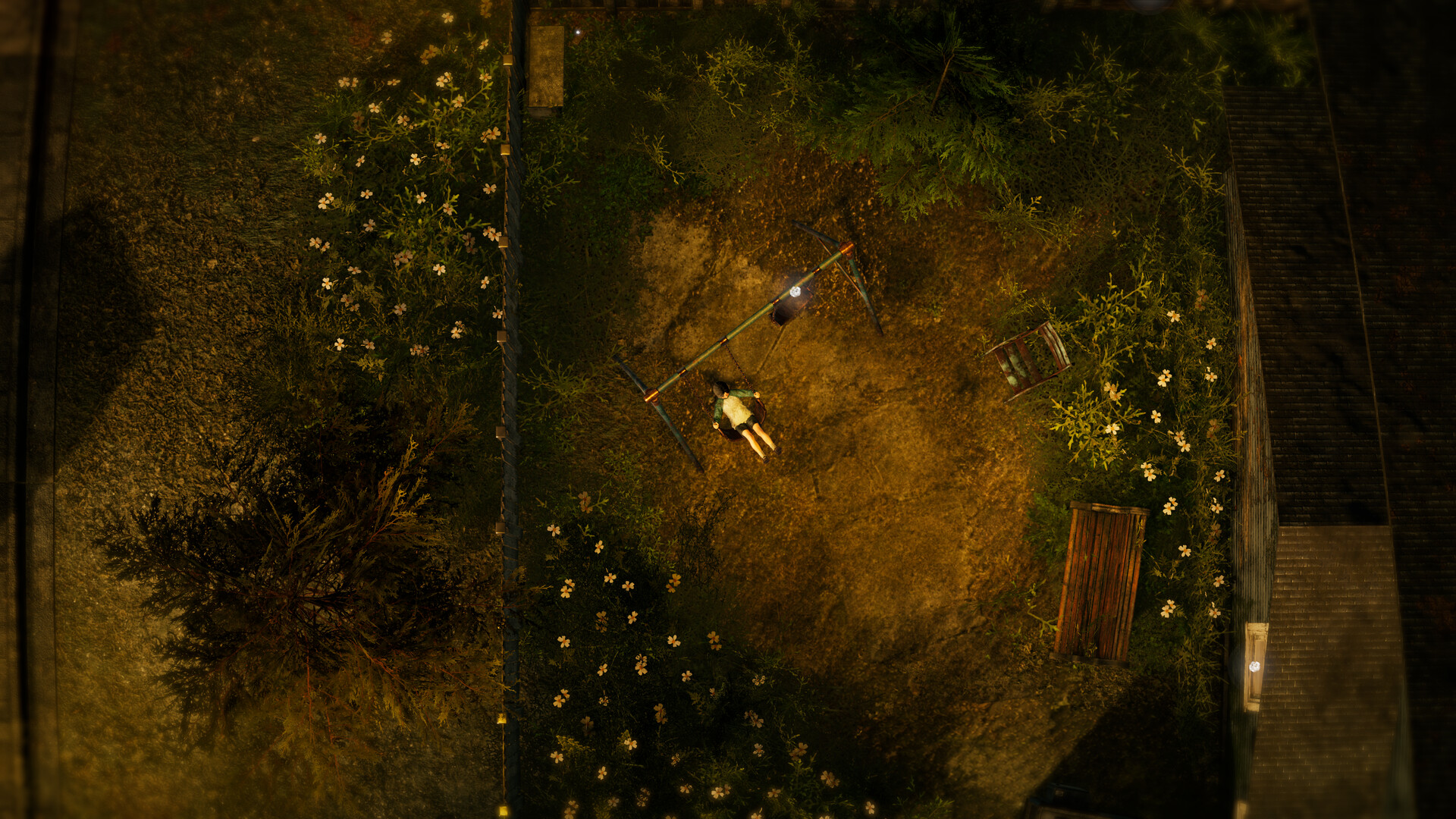
Every useful Terminus: Day Zero tip collapses into one sentence from the Steam page: hide, shut the doors, and run. This guide turns that line into habits you can practice on a first playthrough without turning the short story into a checklist of spoilers.
Why fighting is the wrong instinct
Daisy is too small to fight. Press materials and store copy repeat that limit because players arriving from other zombie games will hunt for bats, guns, or craft benches that do not define this experience. Your “damage” is delay. Your “defense” is furniture, doors, and foggy yards. If you feel underpowered, the game is working.
Internalize that before the first contact. The getting started page covers install mindset; here we focus on the moment something shuffles past a bed and your hands want a melee button that is not the fantasy.
Hiding well
Good hiding is more than crouching in a corner.
- Prefer spots Daisy would actually know: under beds, behind familiar furniture, and rooms you already mapped.
- Enter a hide early. Waiting until a zombie fills the doorway trains you to fail.
- Stay still. Motion and noise are how short stealth scenes punish impatience.
- Leave yourself an exit plan. A hide with only one egress becomes a trap when the room floods.
Think of hiding as a cooldown window. You are buying silence so you can decide whether to relocate, close a door, or commit to the neighborhood run. The trailer and store art emphasize breath-holding for a reason—proximity is part of the horror, and the correct response is composure.
Shutting doors without believing in fortresses
Closing a door is the most misunderstood verb in Day Zero. A shut door is not a win condition. It is a filter that breaks line of sight, slows pursuit, and gives Daisy seconds to cross into another room or a better hide.
Practical door habits:
- Close doors behind you when you change rooms during a chase.
- Back away after closing. Standing against the door invites the scare without giving you a next step.
- Do not spend the entire game sealing every frame in the house. Over-fortifying wastes the short runtime and can strand you when the breach pattern changes.
- Use doors to create staged retreats: room A closed, room B hide, hallway sprint, exterior exit.
If you come from Terminus: Zombie Survivors, unlearn plank-and-metal reinforcement fantasies. Daisy is not building a fortress housing trust meter. She is stalling.
When hiding stops working
Sooner or later hiding is not enough. The design wants that realization. Studio descriptions say Daisy eventually has to get out across a street of neighbors who have changed, using yards and fences she knows better than anything chasing her. That is the run phase.
Signals that you should stop clinging to the house:
- Multiple rooms feel contested at once.
- Your best hides are already compromised.
- You are looping the same hallway without new information.
- The story pressure (and Daisy’s own self-talk) pushes toward leaving.
Running is not failure. Running is the late-game kit. Treat fences, gaps between yards, and fog as cover geometry. Move with purpose toward the route you scouted instead of sprinting randomly into cul-de-sacs. The walkthrough details sequence when you need it; this page only needs you to accept the phase change.
Audio, camera, and composure
Day Zero’s top-down framing still rewards listening. Headphones help. Lower music slightly if custom volume controls let you prioritize effects. Camera comfort options on Steam exist for a reason—if motion makes you miss door timings, enable them before a tense section. Mouse-only players should rehearse the close-door-then-move sequence in a safe room so muscle memory exists before panic.
Pair this guide with siblings
- Refresh input on Controls.
- Add pacing advice from Tips and Tricks.
- Use the Walkthrough for beat-by-beat routing.
- Track optional goals on Achievements.
A short practice drill before a serious run
On a fresh save, spend the opening quiet minutes doing a deliberate lap of the house: note two hides, two doors you can close quickly, and one path toward the exterior. Say the plan out loud if it helps. When contact begins, execute the plan instead of inventing one under pressure. That single drill separates players who bounce from players who finish Day Zero in a sitting.
Hide early. Close doors as timers. Run when the house is done. Everything else is detail.
Frequently Asked Questions
Quick answers for Daisy's first day of the outbreak.
Can Daisy attack zombies?
No. The fantasy is hide, shut doors, and run. There is no combat loadout to optimize.
Do closed doors keep zombies out forever?
Treat doors as temporary delays that break line of sight, not permanent walls.
When should I leave the house?
When hides are compromised and the story pressure pushes outward. Running the neighborhood is an intended phase.